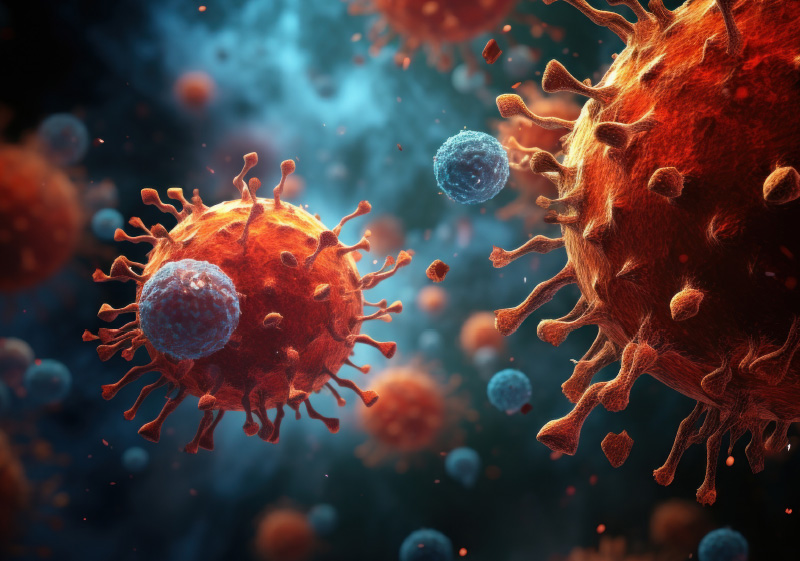
A recent outbreak of hantavirus aboard the cruise ship MV Hondius has drawn global attention after multiple passengers developed severe illness, including at least three confirmed deaths and several suspected cases. The vessel, carrying approximately 150-170 passengers and crew, was placed under quarantine off the coast of Cape Verde an island nation off the west coast of Africa while investigations and medical evacuations were underway. Two affected passengers were transferred to Gauteng. A British passenger remains in intensive care in isolation at a private hospital in Sandton, while a Dutch passenger collapsed at OR Tambo International Airport and later died at a healthcare facility in Kempton Park. Local authorities, including the National Institute for Communicable Diseases (NICD), together with the World Health Organization (WHO), are actively monitoring the situation. While the outbreak is serious, the current risk to the general public remains low, with all known cases linked to a single source aboard the vessel and no evidence of onward community transmission.
What is hantavirus and how is it spread? Hantavirus infections are rodent-borne zoonotic diseases, meaning they are transmitted primarily from rodents to humans. Infection most commonly occurs through inhalation of airborne particles contaminated with rodent urine, droppings (faeces), or saliva. Human-to-human transmission remains rare, documented mainly with specific strains such as the Hantavirus Andes strain. Even in this case, transmission typically requires very close, prolonged contact, such as between household members or intimate partners, and does not occur through casual contact.
Key risk factors are mainly linked to exposure to rodent-infested environments, with poor ventilation, inadequate sanitation, and improper food storage increasing risk. Warmer conditions may further elevate risk by promoting rodent population growth and increasing the likelihood of exposure.
Symptoms and severity: Incubation period: Time between exposure to the virus and the onset of symptoms, typically 1 to 8 weeks. Early symptoms: Non-specific “flu-like” symptoms including fever, fatigue, headache, dizziness, and muscle aches, as well as nausea, vomiting, and abdominal pain. Rapid progression: A defining feature is sudden clinical deterioration, marked by the onset of cough and worsening shortness of breath due to fluid accumulation in the lungs, typically developing in a few days.
Severe Manifestations Hantavirus Pulmonary Syndrome (HPS): Fluid build-up in the lungs, leading to difficulty breathing and potentially respiratory failure. Haemorrhagic Fever with Renal Syndrome (HFRS): Renal complications (e.g., acute kidney injury and reduced urine output), with low platelet levels increasing the risk of bleeding.
Diagnosis: Early diagnosis is challenging due to the non-specific nature of initial symptoms. Both individuals and healthcare providers should remain particularly alert in cases with potential exposure to the virus or in known outbreak settings.
May 2026-HPU ALERT Definitive diagnosis is primarily achieved through blood tests that detect virus-specific antibodies, which may indicate recent infection. Polymerase chain reaction (PCR) testing may also be used in earlier stages. Other tests may show low platelet levels, elevated red and white blood cell counts, abnormal liver function, and signs of kidney dysfunction. Chest X-rays may show fluid in the lungs or inflammation.
HANTAVIRUS
Treatment: There is no specific cure for hantavirus infection; treatment is mainly supportive and often requires hospital care. Management focuses on helping the patient breathe and maintain organ function, including oxygen therapy, fluid and blood pressure support, and close monitoring of the lungs, heart, and kidneys. In severe cases, patients may require intensive care and mechanical ventilation.
Prevention: There is currently no available vaccine for hantavirus; prevention therefore relies on minimising exposure to potentially infected rodents and contaminated environments. This includes maintaining good personal hygiene practices, such as regular handwashing, and ensuring clean, well-ventilated environments. It is also important to seek medical attention if flu-like symptoms develop following potential exposure, as early medical care can significantly improve outcomes.
Implications and Current Status: The current outbreak is linked to a cruise ship setting, an environment characterised by enclosed and shared spaces that can accelerate the spread of infectious diseases. Laboratory investigations conducted by South Africa’s NICD have confirmed that the Andes strain of hantavirus was identified in the two affected passengers transferred to Gauteng. While this strain is notable for rare, documented cases of human-to-human transmission, such spread typically requires very close and prolonged contact. Health authorities have emphasised that there is no evidence of sustained community transmission, and no secondary cases have been identified among healthcare workers, travel contacts, or the broader South African community. Extensive contact tracing is ongoing. The NICD has further indicated that hantavirus is not known to be endemic in South Africa, and local rodent populations are not known to act as reservoirs for the virus. The cases identified locally are linked to international exposure, classifying this event as an imported public health incident rather than local transmission. Globally, the WHO and other international health bodies are actively monitoring the situation. While the outbreak is serious, current assessments indicate that the risk to the general public remains low.
Key Take-Aways: National and international authorities indicate that the overall public health risk of hantavirus remains low, supported by strong surveillance, monitoring, and response measures. While there is no need for public alarm, the severity of the disease and associated mortality highlight the importance of continued vigilance and awareness. Individuals should be encouraged to report symptoms promptly, particularly following international travel or potential exposure to rodent-infested environments. Staying informed through credible public health sources is essential to ensure accurate understanding and avoid misinformation. Ongoing surveillance, early detection, and rapid response remain critical to preventing further spread and improving health outcomes and survival.
May 2026-HPU ALERT References
-
Reuters. Evacuations planned as suspected hantavirus outbreak traps 150 on ship off Cape Verde. 2026.
-
Associated Press. What to know about hantavirus, the illness linked to a cruise ship outbreak. 2026.
-
The Guardian. Three passengers dead after suspected hantavirus outbreak on cruise ship. 2026.
-
Science.org. Cruise ship hantavirus outbreak puts researchers in uncharted territory. 2026.
-
European Centre for Disease Prevention and Control. Hantavirus outbreak on cruise ship under investigation: risk for Europe very low. 2026.
-
Reuters. What we know about the cruise ship passengers affected by hantavirus. 2026.
-
National Institute for Communicable Diseases (NICD). NICD identifies Andes strain of hantavirus associated with limited human-to-human transmission. South Africa; 2026.
-
AP News. Inside the cruise ship with a deadly hantavirus outbreak. 2026.
-
Centers for Disease Control and Prevention. Hantavirus Pulmonary Syndrome (HPS).
-
World Health Organization. Hantavirus disease.
-
Mayo Clinic. Hantavirus pulmonary syndrome – Symptoms and causes.
-
Jonsson CB, Figueiredo LT, Vapalahti O. A global perspective on hantavirus ecology, epidemiology, and disease. Clin Microbiol Rev. 2010;23(2):412-441.
-
Gavi, The Vaccine Alliance. Why are cruise ships so prone to disease outbreaks? 2026.
- Reuters. What we know about the cruise ship passengers affected by hantavirus. 2026.
This newsletter provides a brief overview of key healthcare topics and trends. While every effort is made to ensure the information is current and that reference links work at the time of publication, the fast-changing nature of the healthcare environment means we cannot guarantee that all content or external links will remain up to date. This document is intended solely for information-sharing and should not be interpreted as Medscheme’s reimbursement protocol or funding position.

Leave A Comment
You must be logged in to post a comment.